
DEVBHOOMI
Scroll
Welcome to
Devbhoomi
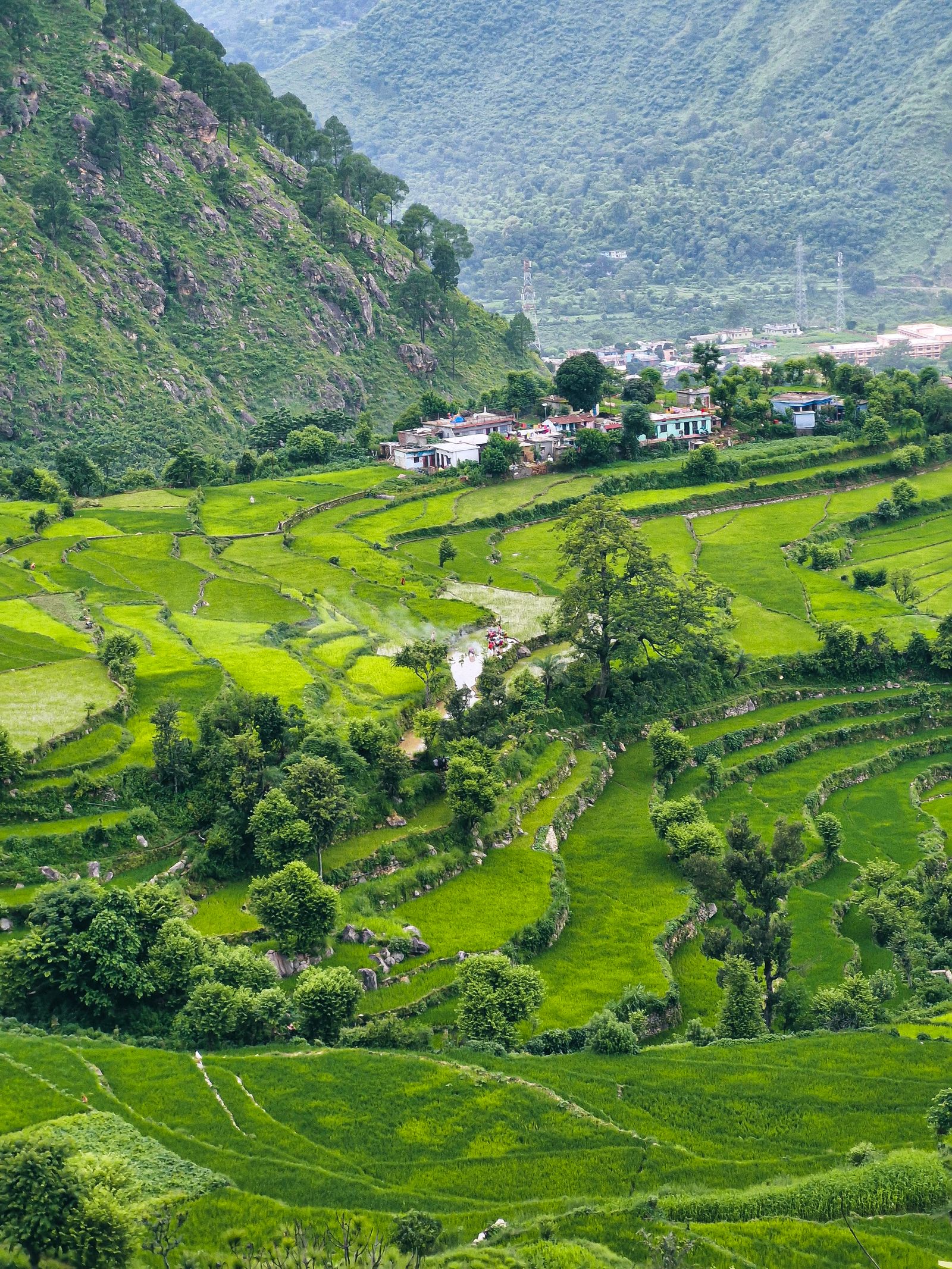
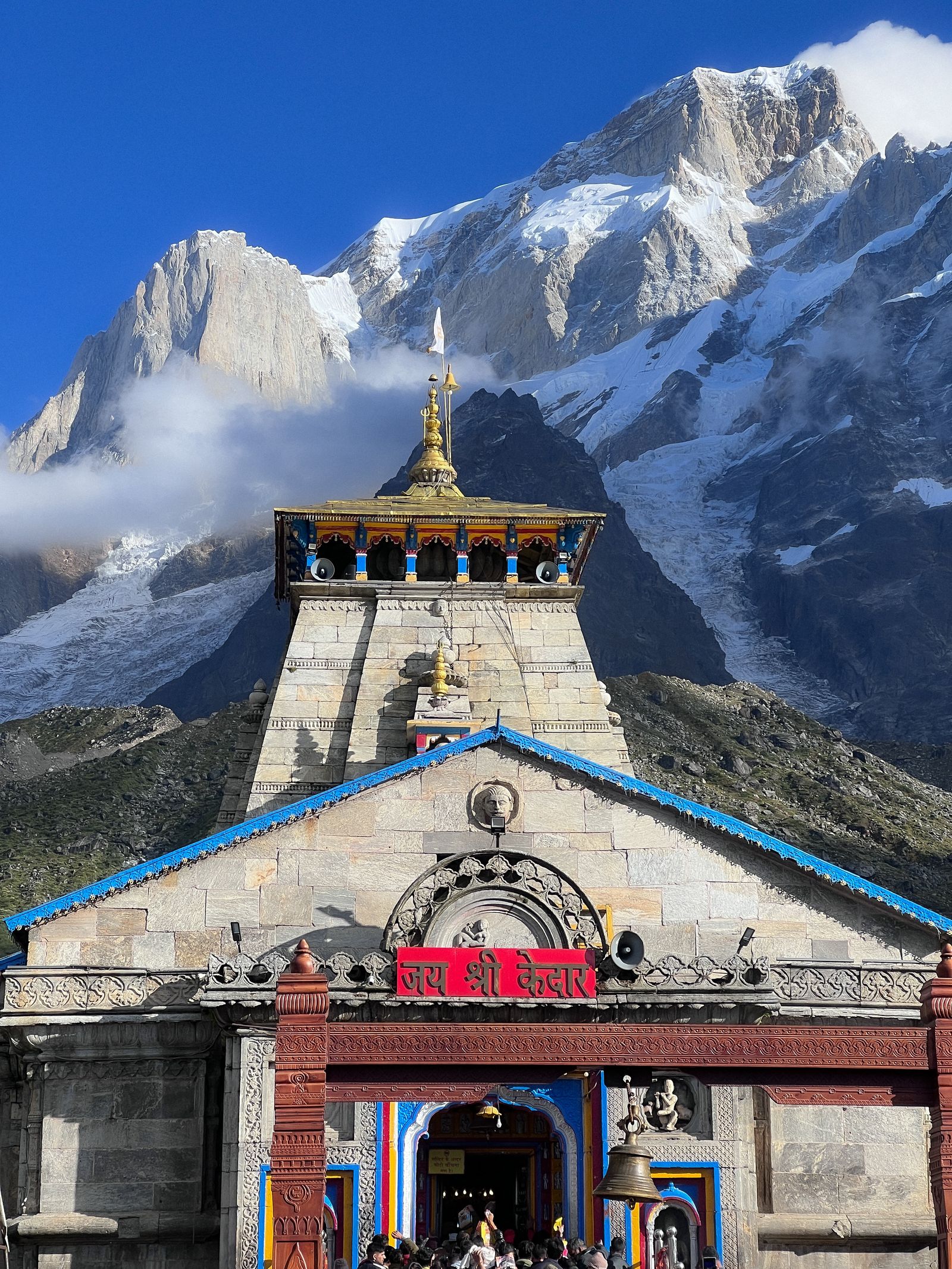
A forest is more than a stretch of trees — it is Uttarakhand's oldest storyteller. Across the Garhwal and Kumaon Himalayas, nearly half the land lies under forest cover, from broadleaf sal in the lower valleys to alpine meadows above the tree line. At HillsOnWheels, every trail we curate, every homestay we partner with, and every artisan product we source begins here, in these forests — the true foundation of Devbhoomi.
What We Offer
Organic Abundance
Chemical-free fields, altitude-kissed grains and wild herbs. Every ingredient carries the intelligence of Himalayan soil, unchanged for centuries.
Mountain Wisdom
Seasonal knowledge of the Pahad — when to sow, when to harvest, which bark heals, which root nourishes — is our greatest inheritance.
Spiritual Simplicity
The Himalayas are not scenery — they are a teacher. Our retreats are invitations to be still, to hear what the river already knows.
Honest Commerce
Direct from farmer to table. Transparent pricing. Every rupee traced. What you eat should have a face and a story behind it.
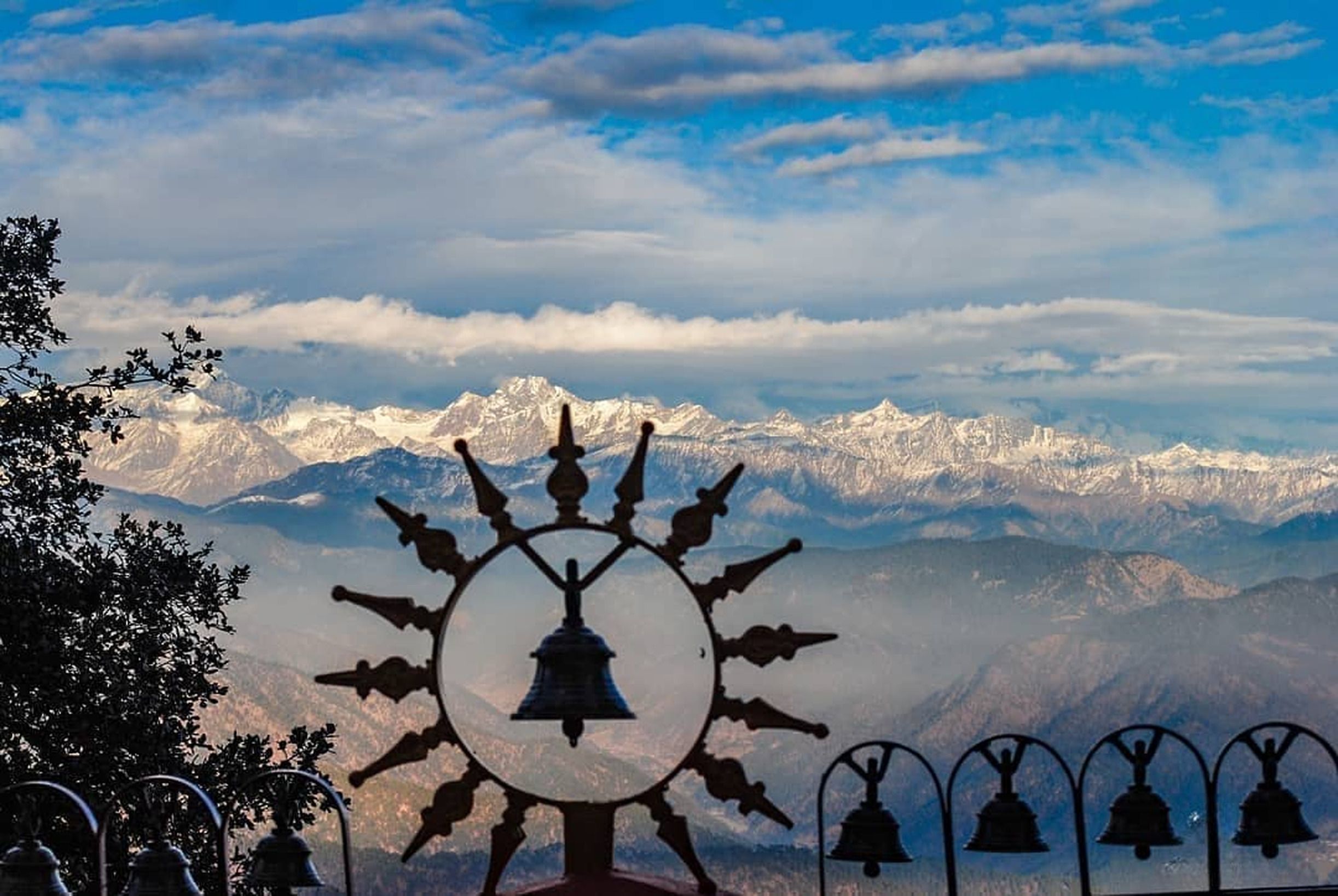
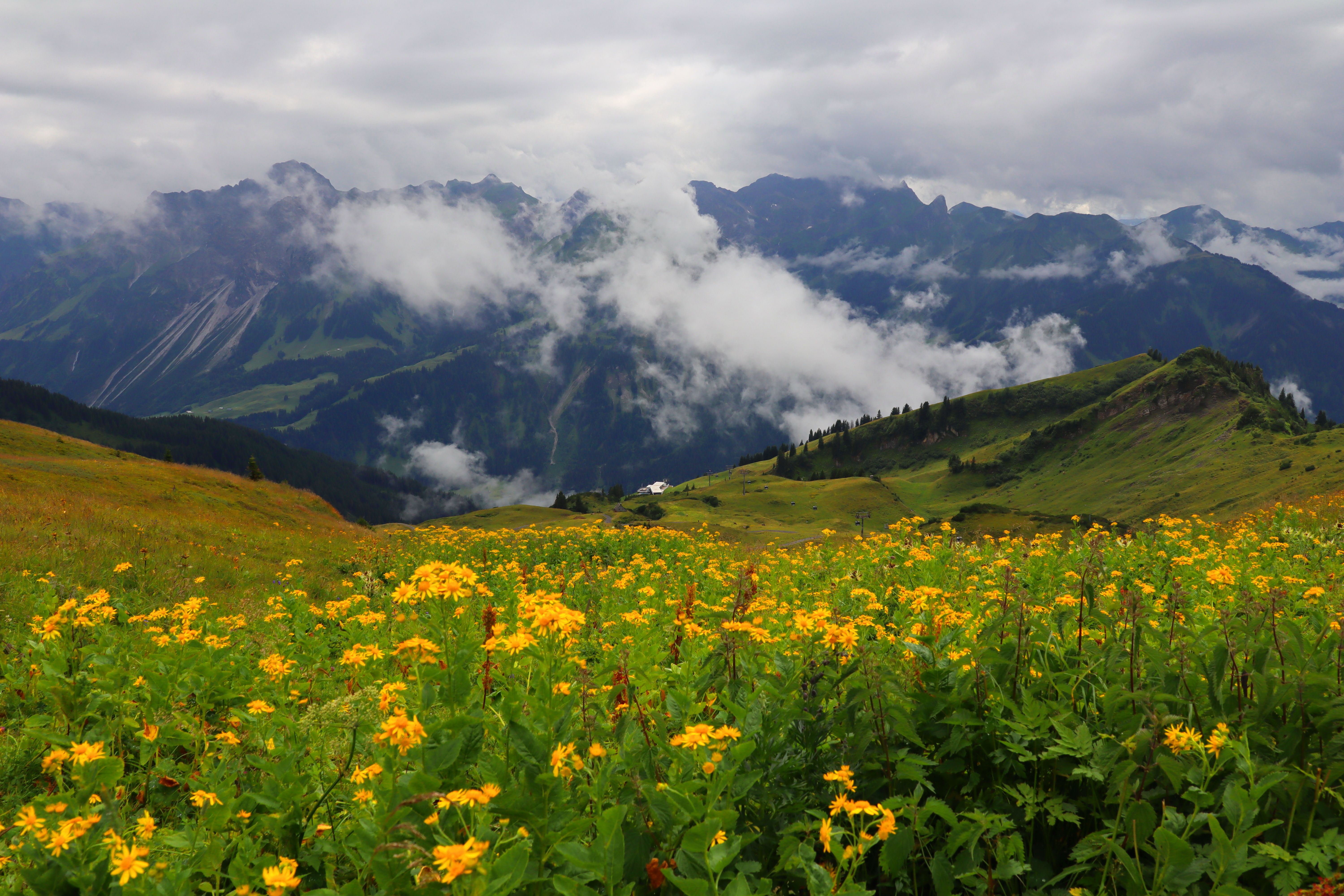
Uttarakhand's forests shift with altitude. Sal and teak crowd the Terai and Bhabar belts near Corbett; oak and rhododendron rule the mid-hills around Nainital and Almora; deodar and blue pine climb toward Auli and the Har-ki-Dun valley; and above 3,500 metres, alpine meadows like the Valley of Flowers bloom for a few precious weeks each year. Wherever we take you, the forest changes character — and so does the journey.
Best Time to Visit
The Himalayas write their own weather. Summers (April–June) stay mild in the high hills even as the plains swelter; the monsoon (July–September) turns every forest impossibly green, though landslide-prone routes need caution; and autumn through winter (October–February) brings the clearest skies, crisp air, and — above 2,500 metres — snow. We plan every itinerary around this rhythm, so you meet the mountains at their best.
Layers of
Devbhoomi

Devbhoomi — The Land of Gods
Uttarakhand is not merely a state on a map. It is a living, breathing sacred geography — where rivers are prayers, mountains are sages, and every village carries stories older than the written word. Our journey begins here — in the lap of the highest peaks on earth, where the air itself is medicine.
Food as Medicine, Not Commodity
In the Pahad, food is ceremony. Millets cooked in earthen pots. Spices sun-dried on stone rooftops. Pulses soaked overnight under the stars. This is not nostalgia — it is biochemical intelligence refined across millennia. We source every grain, spice and herb directly from farmers who practice this wisdom as a daily act of devotion.
The Soul of Pahadi Culture
Jaunsari music, Garhwali folk art, Kumaoni festivals — the culture of Uttarakhand is a kaleidoscope of colour, sound and depth. We celebrate it not as a museum exhibit but as a living inheritance. Our experiences are designed so you may share a meal with a village elder, wake to a temple bell, and return home carrying something that cannot be bought.

Flora of
the Himalayas
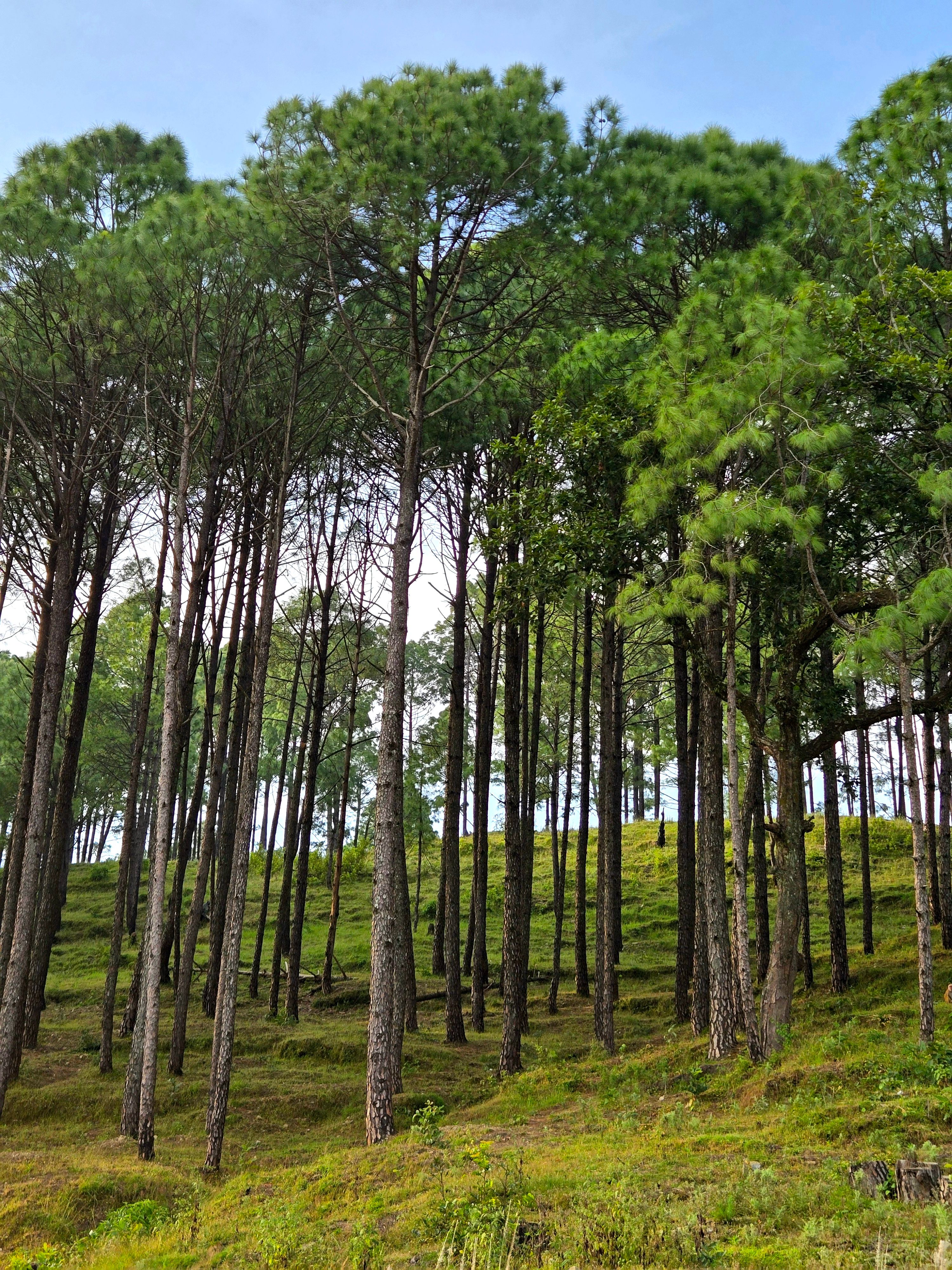
Rhododendron forests turn entire hillsides crimson each spring. Deodar and chir pine perfume the air along every ridge trail. And tucked beneath the canopy grow the Himalayas' celebrated medicinal herbs — brahmi, ashwagandha and jatamansi — gathered by local communities for generations. These are the very forests that supply the herbal and Ayurvedic products we bring to your doorstep.
Wildlife &
Sanctuaries
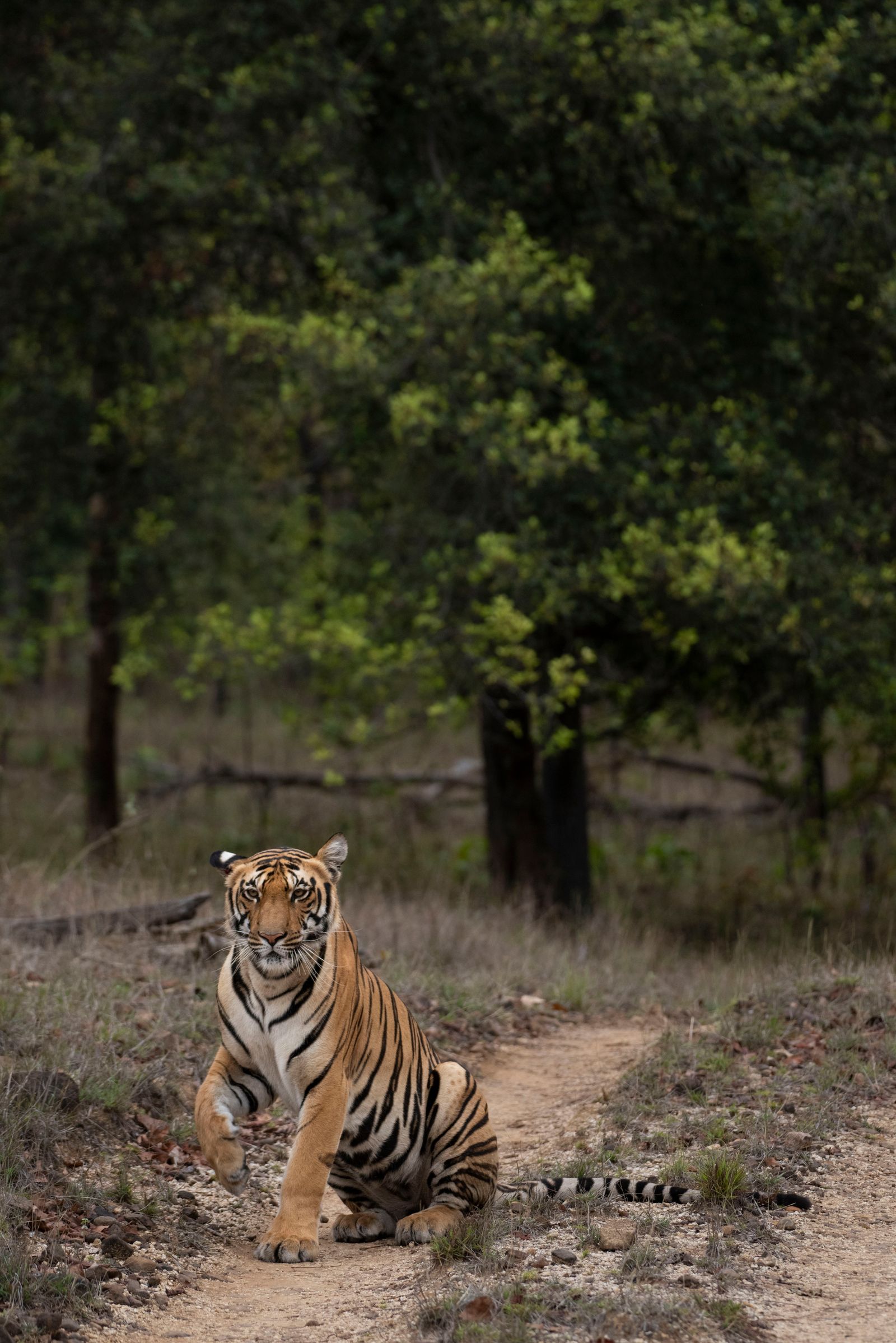
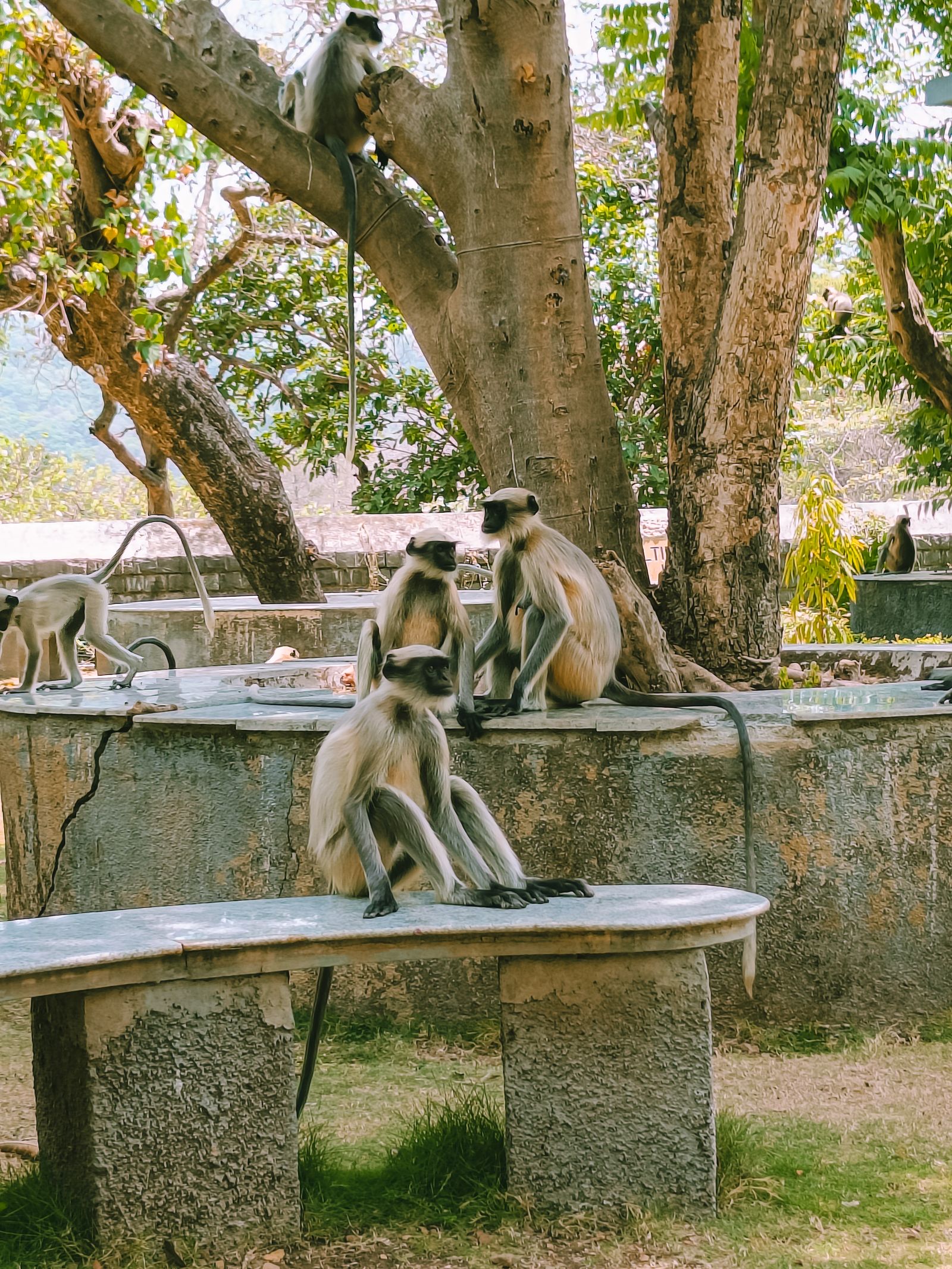
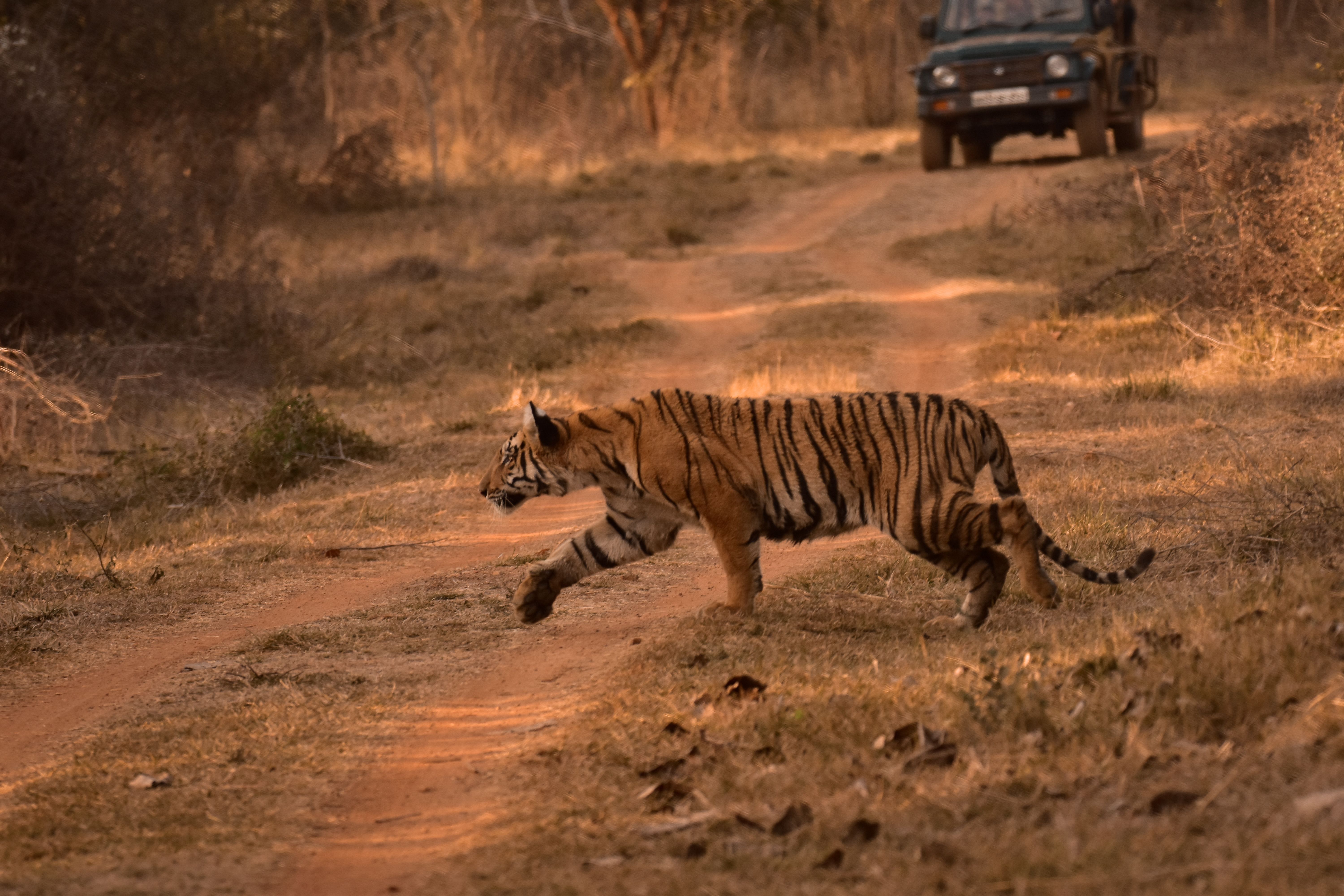
Jim Corbett National Park, India's first national park, shelters Royal Bengal tigers, wild elephants and over 600 bird species. Rajaji National Park is home to roaming elephant herds and leopards, while the Binsar and Askot sanctuaries protect rarer Himalayan species found almost nowhere else on earth. A safari through these reserves is one of the most unforgettable ways to meet Devbhoomi.
Spiritual
Uttarakhand
Every forest here is a web of quiet dependencies — glacial rivers feeding terraced fields, pollinators sustaining wild herbs, predators keeping the balance. When one thread frays, the whole hillside feels it. That is why every experience we offer is designed to take only what nature can spare, and to give something back in return.
Produce Oxygen
A single mature deodar releases enough oxygen to sustain several people a year. Multiply that across Uttarakhand's forest cover, and you understand why the air here feels different — cleaner, sharper, alive.
Absorb Carbon Dioxide
Himalayan forests are among India's largest carbon sinks, quietly offsetting emissions from the plains below. Protecting them is one of the simplest, most powerful climate actions there is.
Regulate Climate
Forest cover moderates temperature, holds monsoon rainfall in the soil, and feeds the glacial rivers that irrigate millions of hectares downstream, from the hills all the way to the Gangetic plains.
Biodiversity
From snow leopards prowling the high ridges to over 700 bird species recorded across the state, Uttarakhand's biodiversity rivals anywhere on earth. The Valley of Flowers alone — a UNESCO World Heritage Site — hosts more than 600 species of flowering plants across a single Himalayan meadow, a reminder of how much is still left to discover.
Natural
Resources
Biotic Resources
Timber, medicinal herbs, wild honey and forest produce have sustained Pahadi communities for centuries — harvested with restraint, never in excess, and always with the next generation in mind.

Abiotic Resources
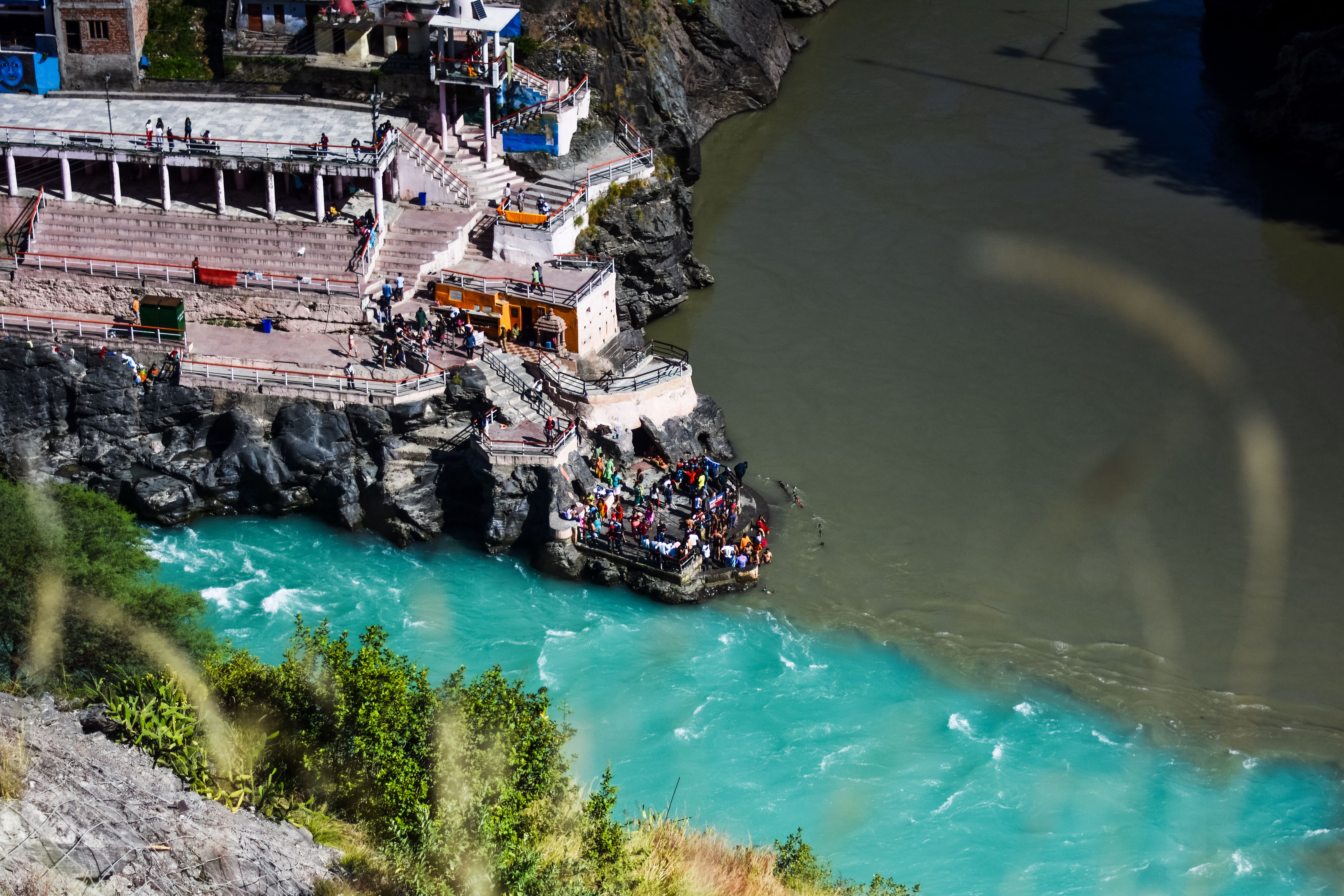
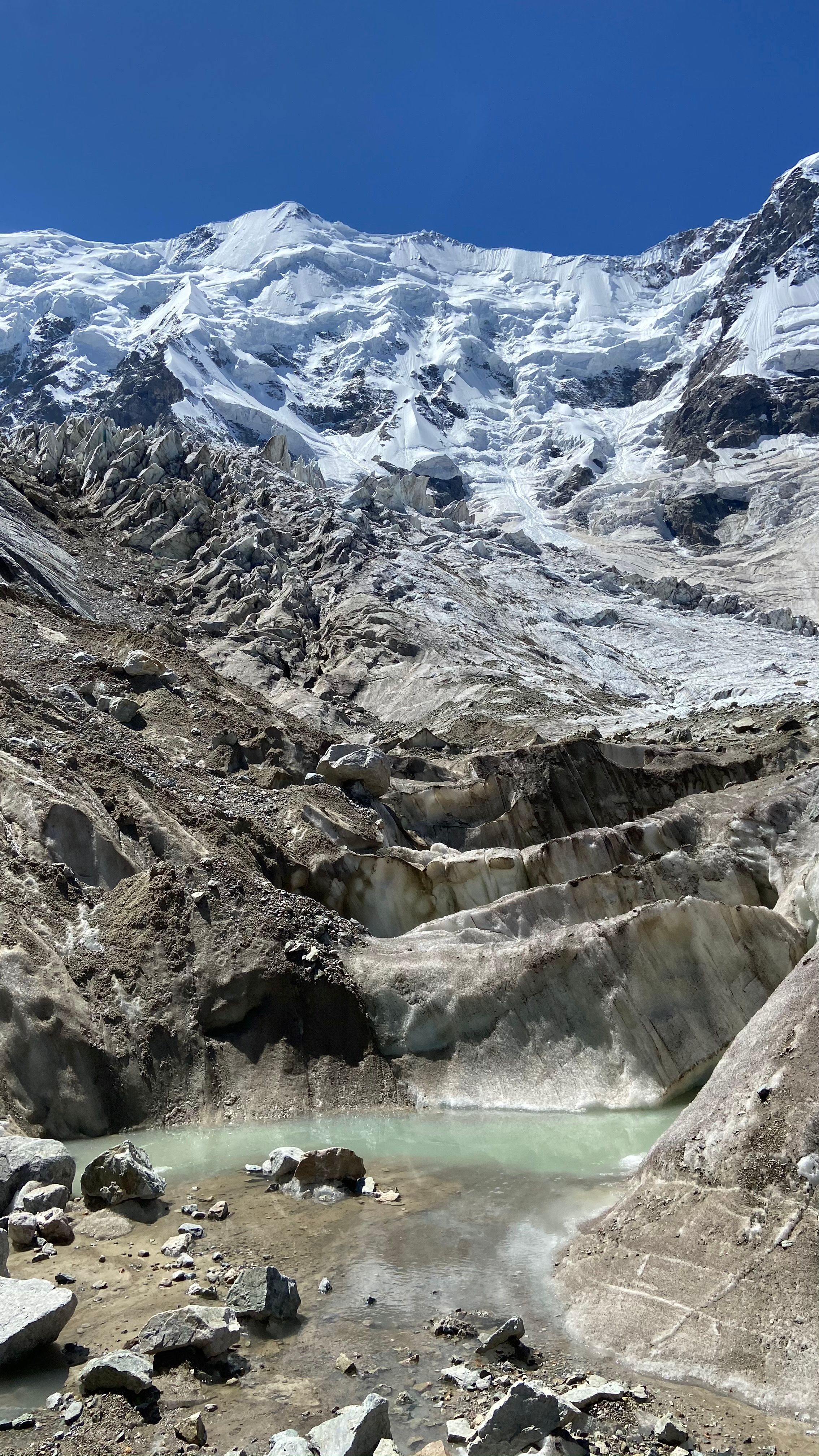
Glacial meltwater, mineral-rich soil and clean mountain air are Uttarakhand's quiet wealth — resources no market can replace, and none we take for granted.
Role in
Climate
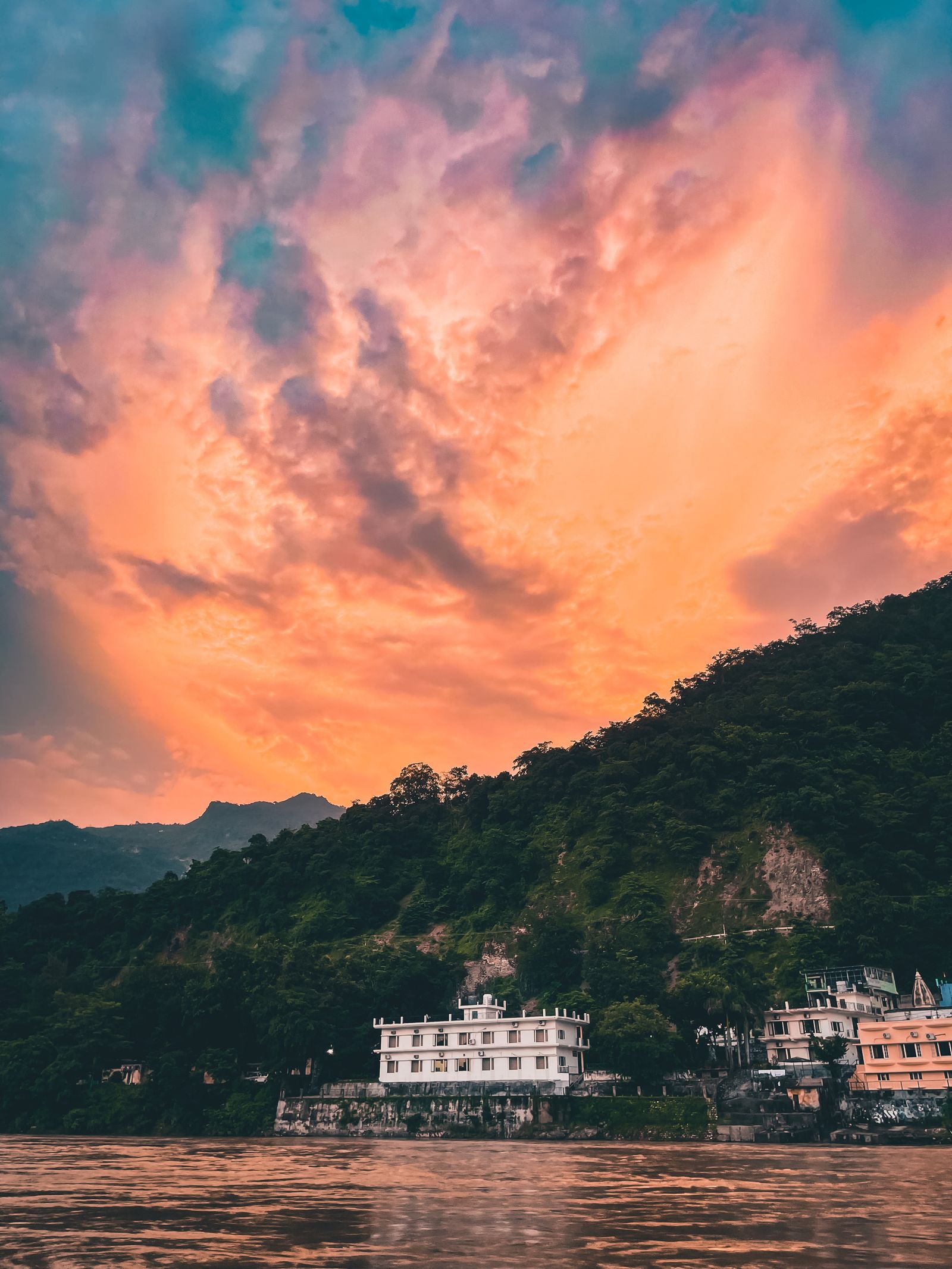
The Himalayas are often called the water tower of Asia. Their forests and glaciers feed the Ganga, the Yamuna and dozens of smaller rivers that millions depend on downstream. Protecting this landscape is not only a local concern — it is a responsibility that reaches far beyond Uttarakhand's borders.
Under Pressure
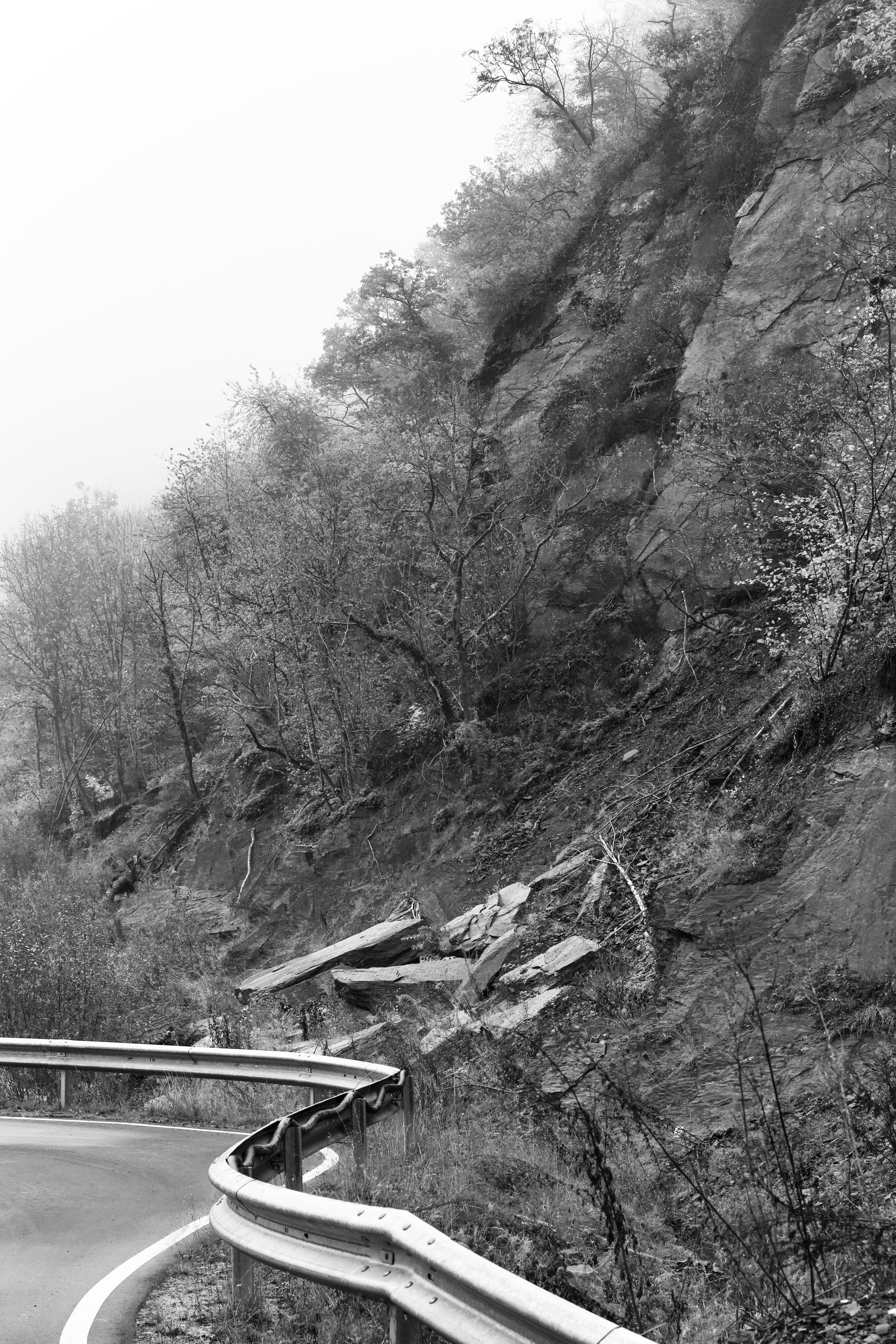
Even in Devbhoomi, forest cover is under pressure — from unplanned construction, unregulated tourism and the slow creep of urban expansion into the hills. The very landscapes that draw travellers here are the ones most at risk of disappearing if we do not travel and build responsibly.
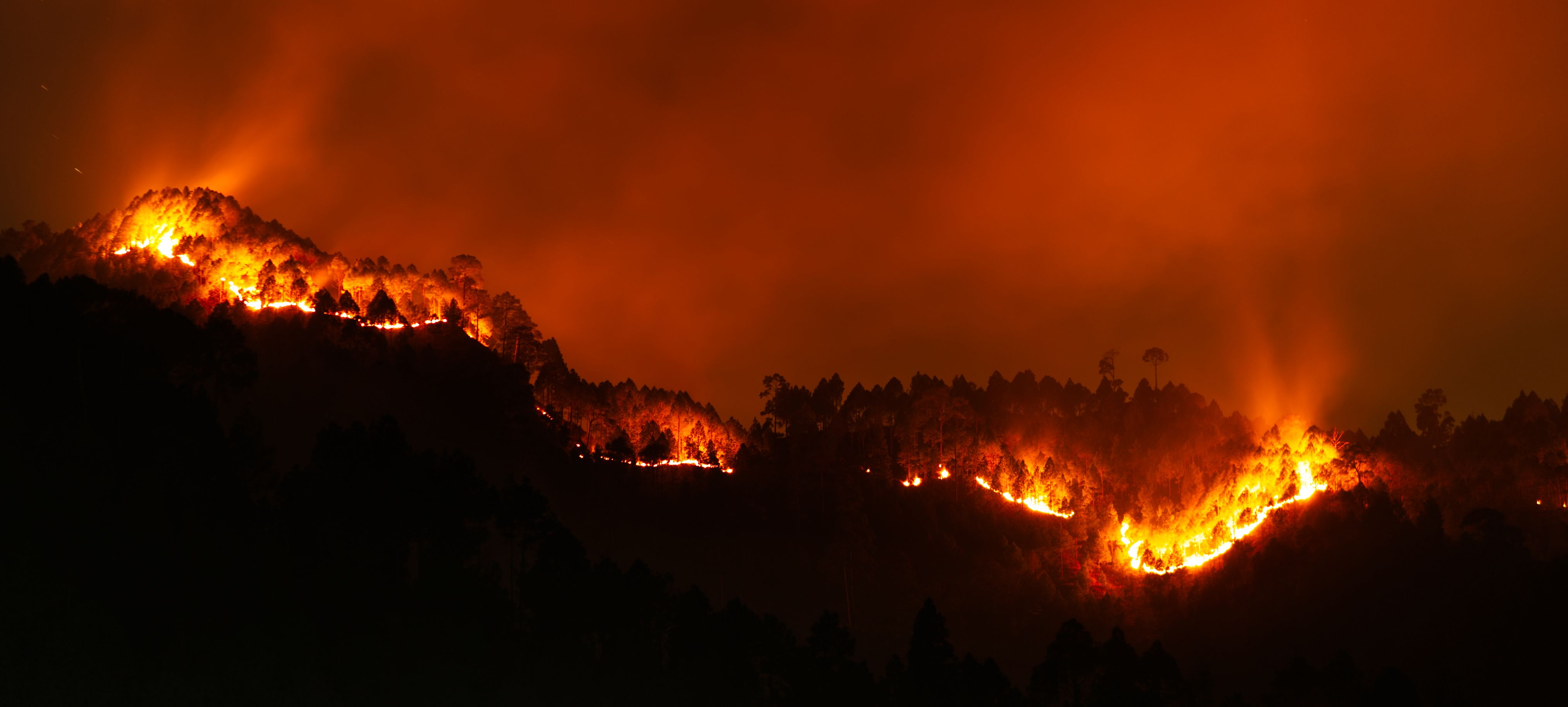

Causes for
Concern
Agriculture
As hill communities expand terraced farming to meet rising demand, forest edges are cleared to make room, often without the time the land needs to recover.
Logging
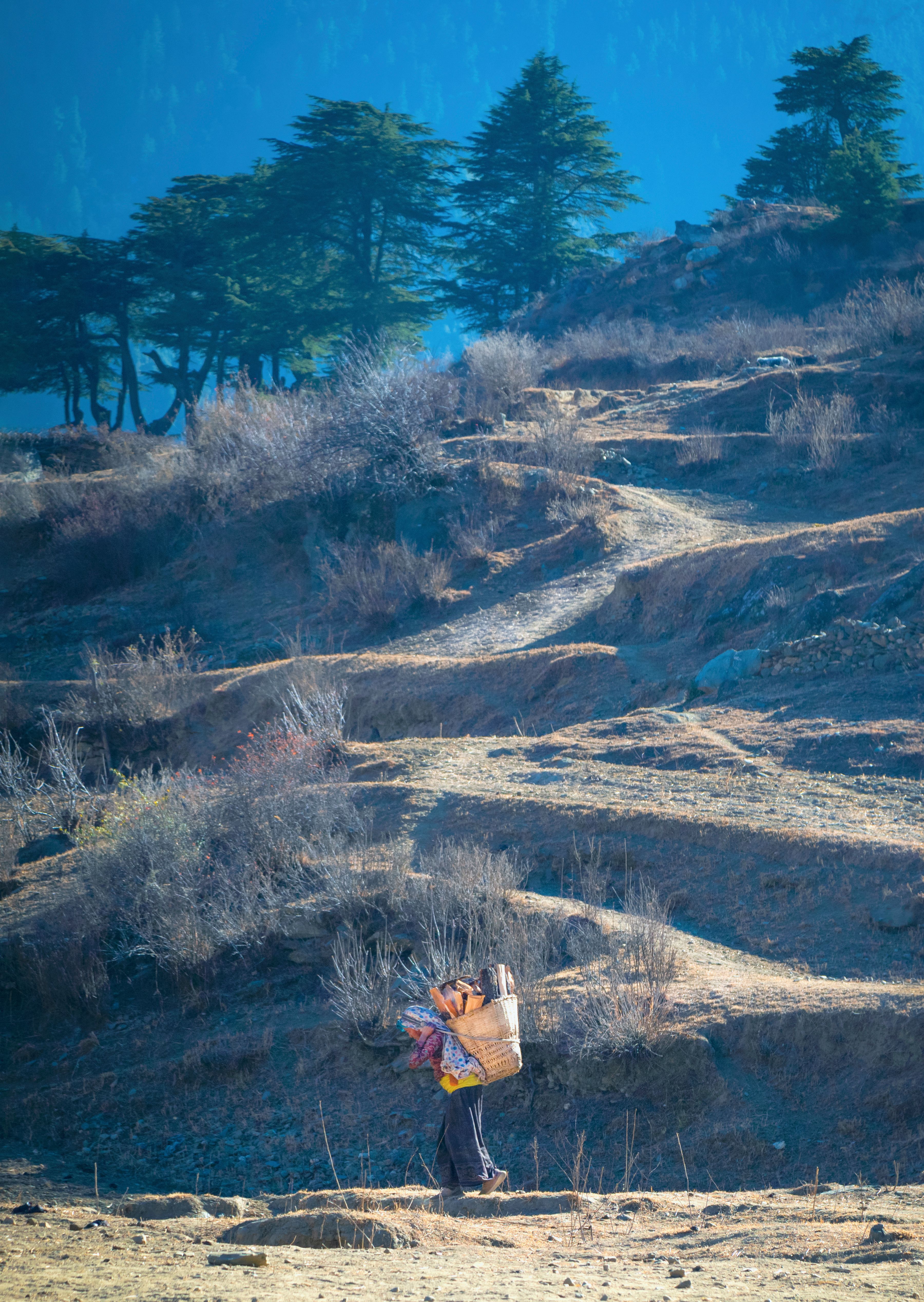
Legal and illegal logging for timber and fuelwood remains one of the most direct pressures on Uttarakhand's forests, particularly in accessible lower-altitude belts.
Urban Expansion
Roads, resorts and unplanned construction, driven by rising tourist footfall, are steadily eating into forest land across popular hill destinations.

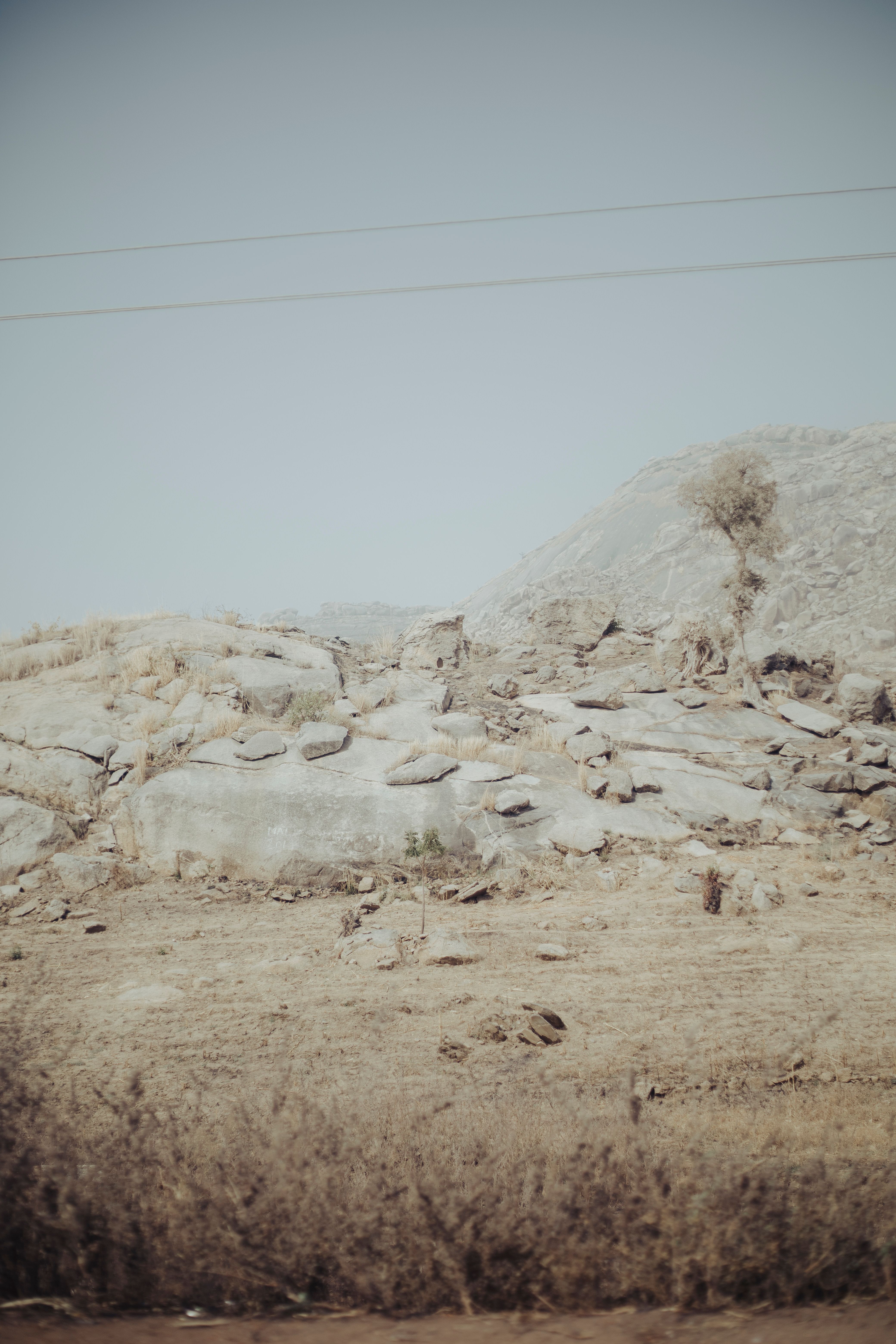
The results are visible within a single generation — drying springs, more frequent landslides, and villages that once relied on nearby forests now travelling hours for firewood and fodder. Uttarakhand's 2013 floods remain a stark reminder of how fragile this balance really is.
Effects of
Neglect
Conservation
Efforts
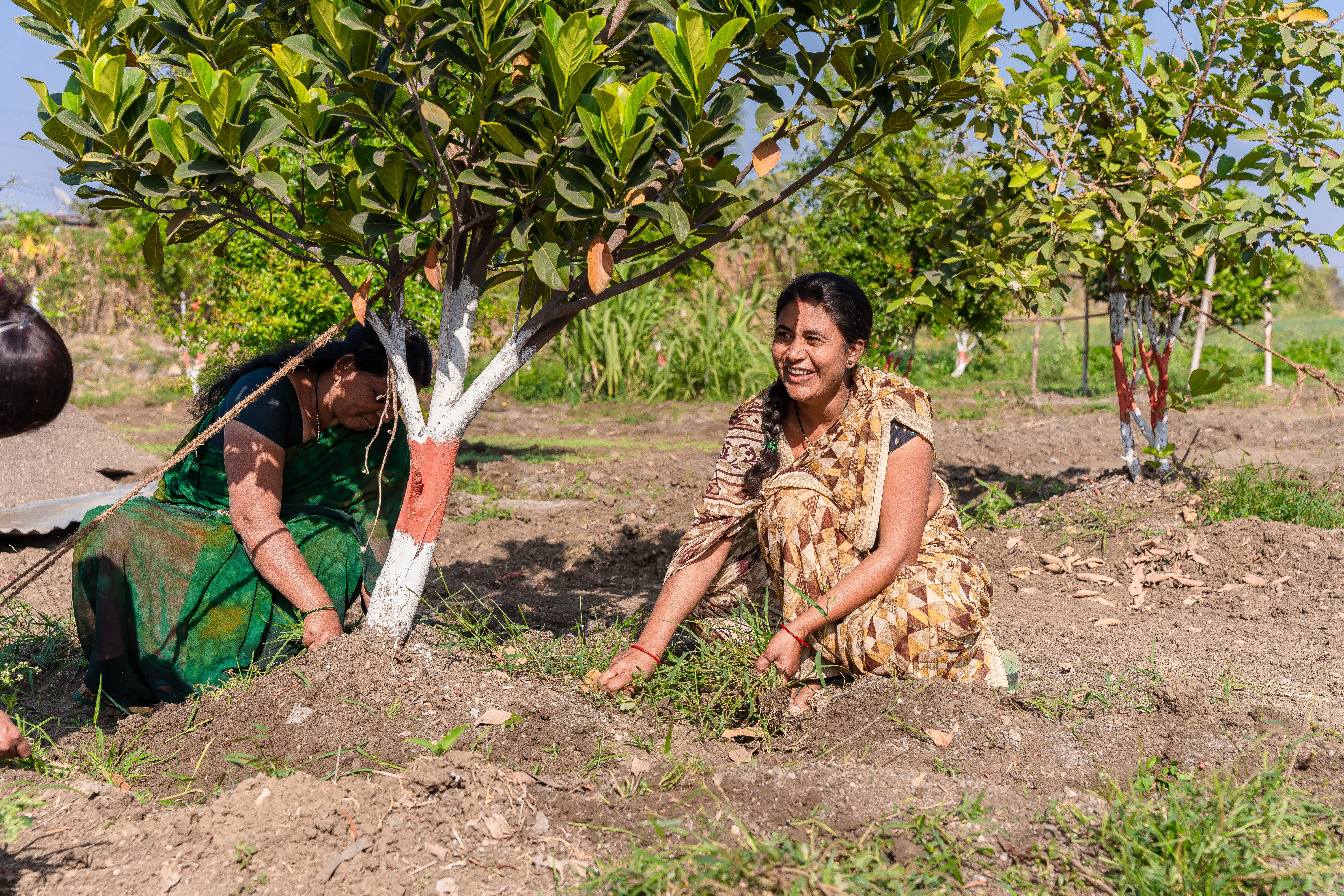
Tree Planting
We partner with local communities on native-species plantation drives, choosing oak, rhododendron and deodar over faster-growing but less resilient species, because the forest that comes back should belong here.
Sustainable Forestry
Working with forest departments and village councils, we support harvesting practices that take only what regenerates naturally, keeping local livelihoods and the forest itself in balance.
Sustainable
Practices
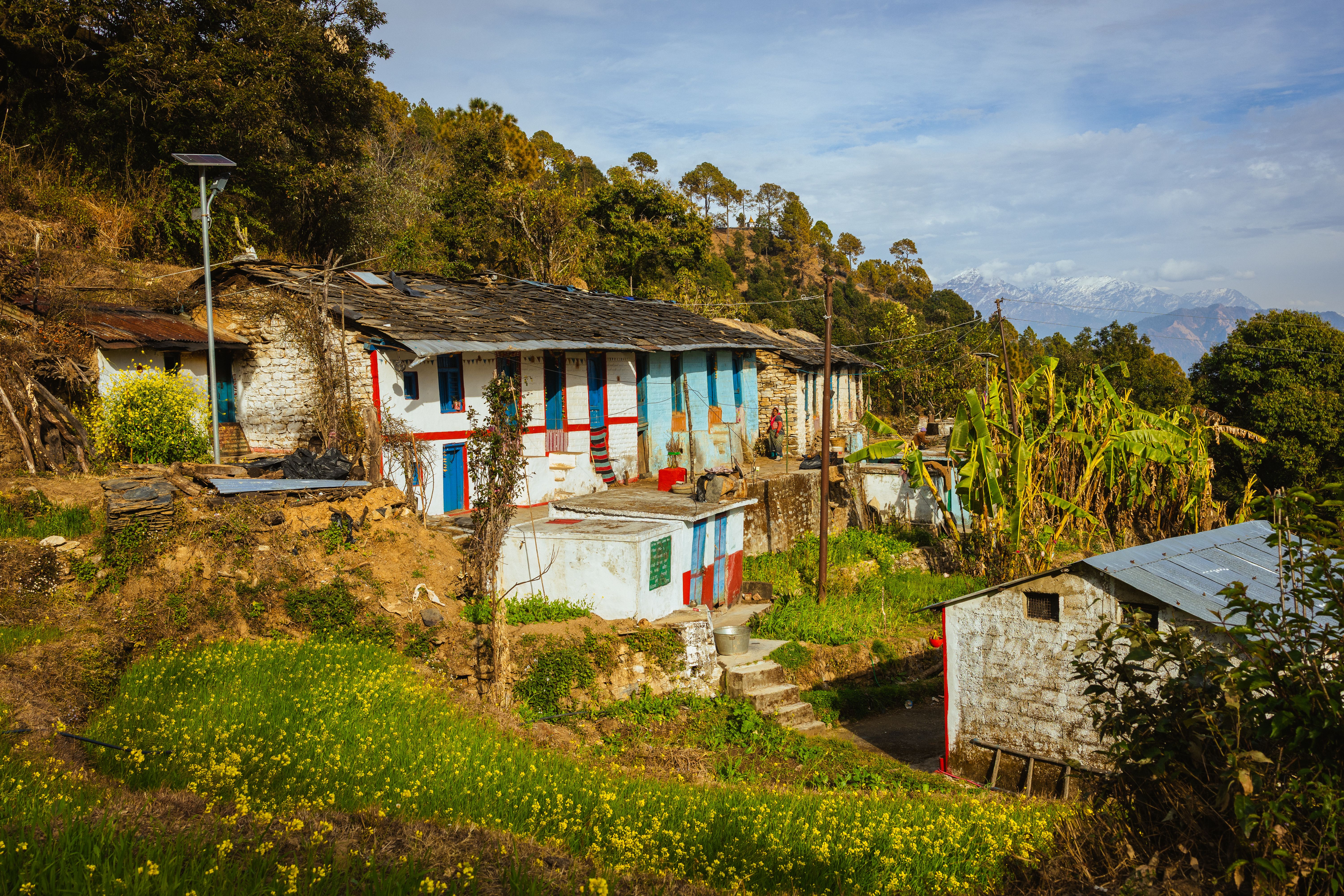
From homestays that run on solar power to treks that follow strict no-plastic protocols, sustainability is not an add-on for us — it is the baseline. Every partner ashram, farmer and artisan we work with shares this same commitment to the land.
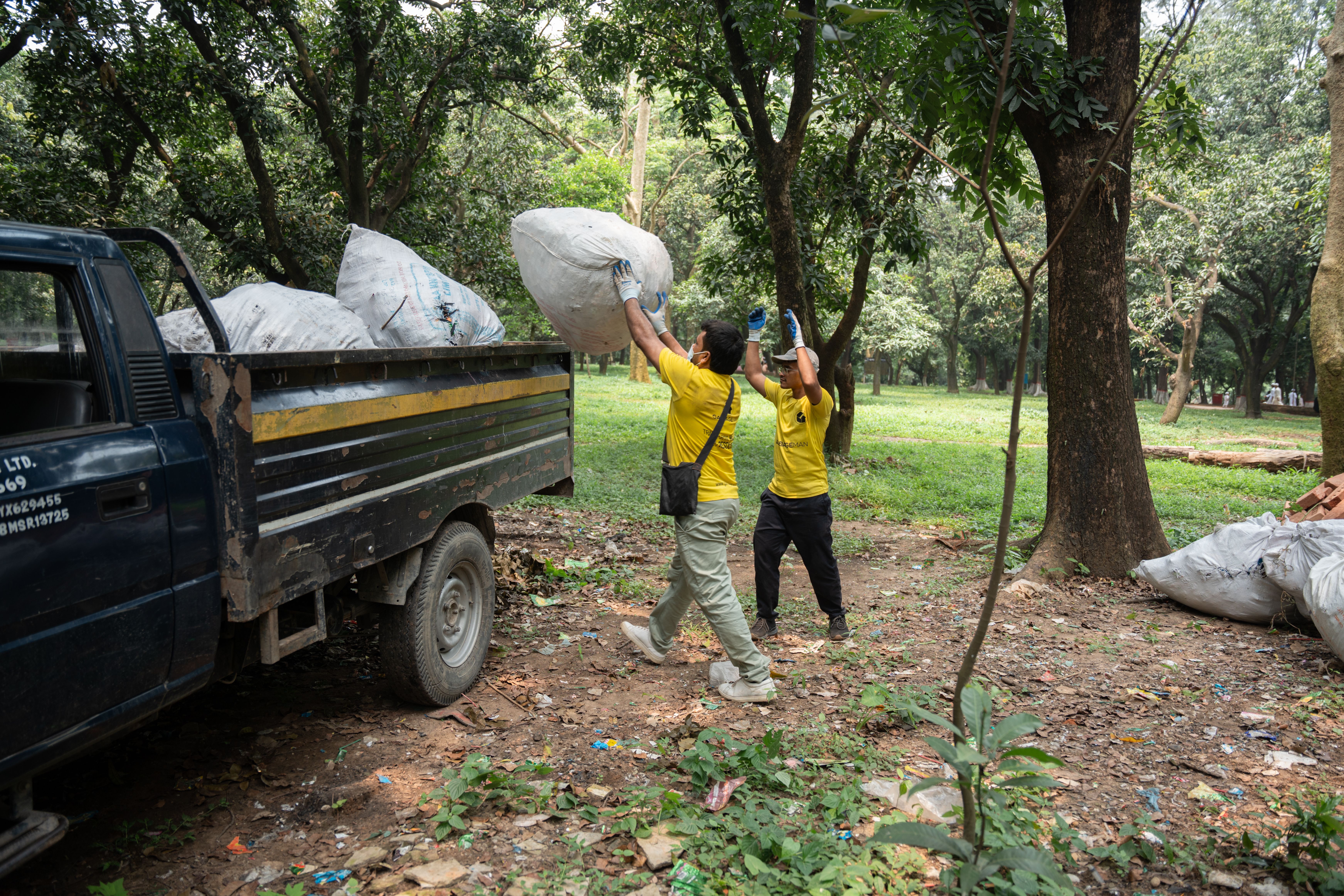
Recycle
On every trek and homestay, we carry out what we carry in — plastic, packaging and waste are sorted and removed, never left on the trail.
Reduce Waste
We work with local kitchens and homestays to cut single-use plastic and food waste, favouring seasonal, locally sourced ingredients over packaged imports.
Support Conservation Programs.
A share of every booking goes toward community-led plantation drives and wildlife conservation programs across Uttarakhand, so the forests you visit are still there for the next traveller.
How We
Can Help
Conclusion
Devbhoomi means 'Land of the Gods', but its real magic is far simpler — forests that still breathe, rivers still cold enough to sting, and communities still willing to share their way of life with a stranger. At HillsOnWheels, we don't just show you Uttarakhand. We help you leave it a little better than you found it.